456g 56eyvb Pay-Per-Click Advertising (PPC)
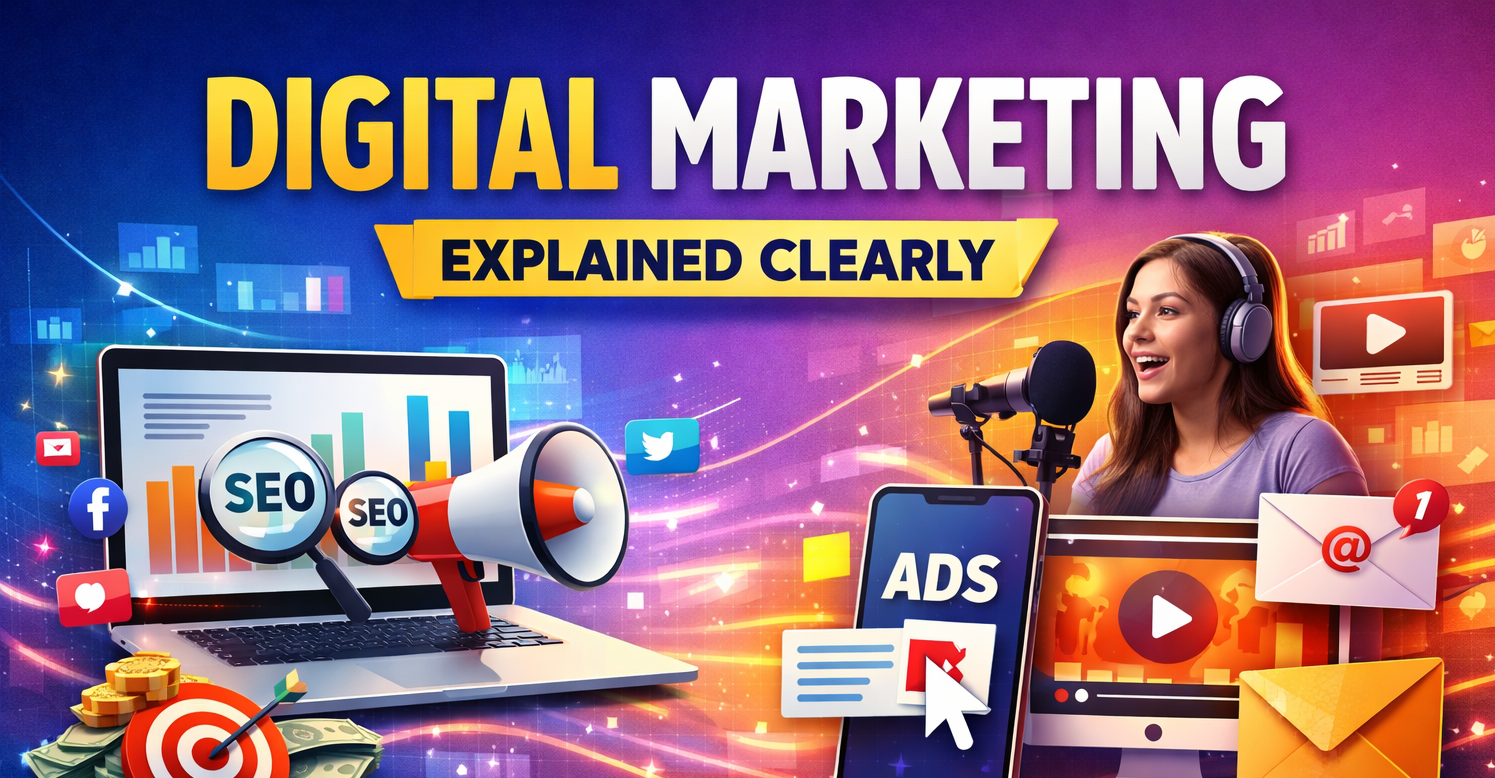
Digital marketing refers to the use of digital channels, platforms, and technologies to promote products and services to a target audience. In today’s internet-driven world, it has become one of the most powerful tools for businesses to connect with customers, build brand awareness, and drive sales.
What is Digital Marketing?
Digital marketing includes all marketing efforts that use electronic devices or the internet. Businesses leverage channels such as search engines, social media, email, websites, and mobile apps to reach current and potential customers.
Key Components of Digital Marketing
1. Search Engine Optimization (SEO)
SEO is the process of optimizing a website to rank higher in search engine results. The goal is to increase organic (non-paid) traffic.
Key elements:
- Keyword research
- On-page optimization (content, meta tags)
- Off-page optimization (backlinks)
- Technical SEO (site speed, mobile-friendliness)
2. Content Marketing
Content marketing focuses on creating valuable, relevant, and consistent content to attract and retain an audience.
Examples:
- Blog posts
- Videos
- Infographics
- E-books
Goal: Build trust and authority while guiding users toward conversion.
3. Social Media Marketing
This involves promoting products or services through social media platforms.
Popular platforms:
- TikTok
Benefits:
- Brand awareness
- Customer engagement
- Lead generation
4. Pay-Per-Click Advertising (PPC)
PPC is a paid advertising model where businesses pay each time someone clicks on their ad.
Examples:
- Google Ads
- Social media ads
Advantages:
- Instant traffic
- Highly targeted audience
- Measurable results
5. Email Marketing
Email marketing is one of the most cost-effective digital marketing strategies.
Uses:
- Newsletters
- Promotions
- Customer retention
Key benefit: Direct communication with your audience.
6. Affiliate Marketing
In affiliate marketing, individuals or partners promote a company’s products and earn a commission for each sale.
7. Influencer Marketing
Brands collaborate with influencers who have a strong following to promote products authentically.
Importance of Digital Marketing
- Global Reach: Connect with audiences worldwide
- Cost-Effective: Cheaper than traditional marketing
- Measurable Results: Track performance in real time
- Targeted Marketing: Reach specific demographics
- Higher Engagement: Direct interaction with customers
Digital Marketing Strategy
A successful strategy includes:
- Setting clear goals (traffic, leads, sales)
- Identifying target audience
- Choosing the right channels
- Creating high-quality content
- Analyzing and optimizing performance
Emerging Trends in Digital Marketing
- Artificial Intelligence (AI)
- Voice Search Optimization
- Video Marketing
- Personalization
- Chatbots
Challenges in Digital Marketing
- High competition
- Constant algorithm changes
- Data privacy concerns
- Keeping up with trends
Conclusion
Digital marketing is essential for businesses in the modern era. It provides powerful tools to reach the right audience, at the right time, with the right message. Companies that invest in strong digital marketing strategies are more likely to succeed in today’s competitive landscape.